Rapid Assessment Zone (RAZ): What to Expect During Your Visit
Hours of operation: 9 a.m. to 11 p.m. daily
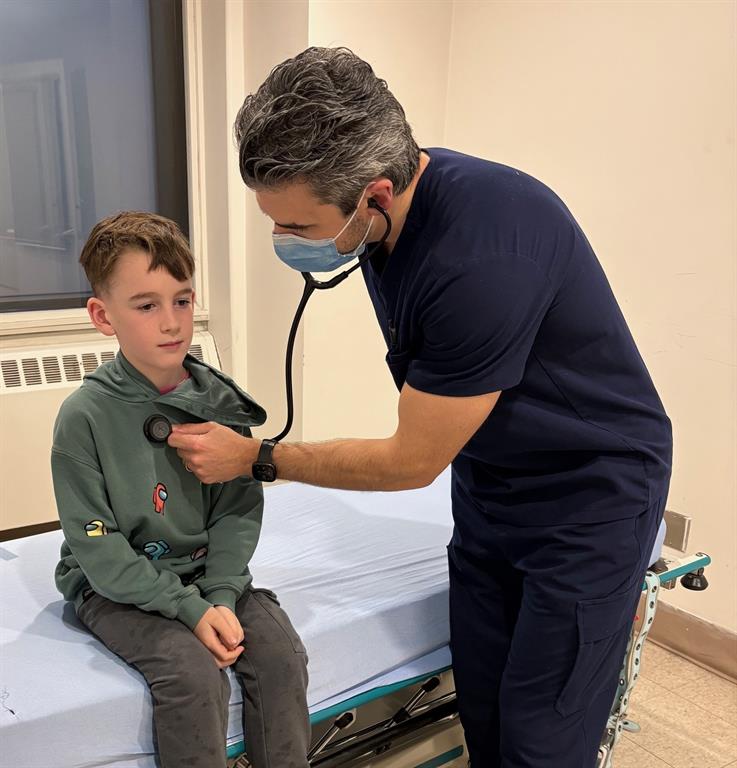
The Rapid Assessment Zone (RAZ) is part of Stevenson Memorial Hospital’s Emergency Department (ED). It is not a walk-in clinic or a separate clinic service. The RAZ uses the same Emergency Department physicians, nurses, and healthcare team as the rest of the ED.
The RAZ is a care area designed to help improve patient flow and support timely care by allowing patients to be assessed and treated in the most appropriate setting based on their medical needs.
Like all Emergency Departments across Ontario, patients are seen based on medical urgency, not the order in which they arrive. This process is called triage. A nurse will assess your condition when you arrive and determine the most appropriate care pathway for you.
How the RAZ Works:
1. Triage (Initial Assessment): When you arrive at the Emergency Department, a nurse will assess your symptoms and determine the urgency of your care. Patients with the most serious and time-sensitive medical needs are seen first. This means patients who arrive after you may be seen before you if their condition requires more immediate attention.
2. Placement in RAZ: If the RAZ is the most appropriate area for your care, you may be directed there. Depending on your condition, you may be seated in a chair rather than placed in a bed. The RAZ may be used for a variety of patients who do not require continuous cardiac monitoring or an acute care bed at that time. This can include patients with concerns such as:
- sprains or minor injuries
- cough, cold, or respiratory symptoms
- sore throat or upper respiratory concerns
- cuts requiring stitches
- ear pain or infection
- other medical concerns that can be safely assessed in this environment
Patients may notice others being called into different areas of the Emergency Department before them. This is because care decisions are based on each patient’s clinical needs. All patients are monitored and reassessed throughout their visit.
3. Assessment by a Healthcare Provider: A physician or other healthcare provider will assess your condition and determine what tests or treatments may be needed.
4. Testing and Investigations: Depending on your symptoms, you may require additional testing, including:
- Bloodwork (Labs): 1–2 hours
- X-rays: ~1 hour
- CT scans: 3–4 hours
- Ultrasound: 3–4 hours
Testing times may vary depending on demand, the type of test required, and the number of patients requiring care.
5. Waiting for Results: While waiting for test results or further treatment decisions, you may remain in the RAZ or another area of the Emergency Department. Your care team will continue to monitor your condition and reassess you if needed.
6. Treatment Plan & Next Steps: Once your assessment and test results are complete, your healthcare provider will discuss the next steps with you. This may include treatment, prescriptions, follow-up instructions, admission to the hospital, or referral for additional care.
Important things to know
- The Rapid Assessment Zone is part of the Emergency Department. It is not a walk-in clinic.
- The Emergency Department wait time displayed on our website or in the hospital is an estimate only. Wait times can change quickly based on patient volumes, medical emergencies, staffing, and the triage process. Patients are always seen based on the urgency of their condition, so your actual wait may be different from the estimated time shown.
- Emergency Department wait times vary depending on the number of patients requiring care and the severity of their conditions.
- The RAZ does not guarantee a shorter wait time; however, it is designed to help improve patient flow and ensure patients receive care in the most appropriate setting.
- You may be moved between different areas of the Emergency Department during your visit to ensure patients receive the care they need.
- You may be asked the same questions more than once. This helps ensure your information is accurate, supports communication between care providers, and helps keep you safe.
- If your symptoms worsen while waiting, please notify a member of the care team immediately.
Our Goal
The Rapid Assessment Zone is one way Stevenson Memorial Hospital is working to improve patient flow and enhance the Emergency Department experience for our community.
The goals of the RAZ are to:
- Support timely assessment and treatment
- Improve the flow of patients through the Emergency Department
- Ensure patients receive care in the most appropriate setting
- Help ensure acute care spaces remain available for patients requiring higher levels of monitoring and treatment
We will closely evaluate the performance of the RAZ and make
ongoing improvements and adjustments as needed. This initiative is part of our
broader effort to better meet the needs of our growing community and enhance
the overall patient experience in our Emergency Department.
We will continue to evaluate the RAZ and make improvements based on patient feedback, staff experience, and ongoing operational needs.If you have questions during your visit, please speak with a member of your care team.
Patient Survey
We would love to hear about your experience. Please complete our Rapid Assessment Zone patient feedback survey to share your feedback and help us continue improving care.
Please treat our staff with courtesy and respect.
Our Emergency Department team works around the clock to provide compassionate, high-quality care to every patient who comes through our doors.
While you are waiting or receiving treatment, our staff may be responding to critical or complex emergencies behind the scenes that are not visible in the waiting room. These situations often require significant time and resources.
Thank you for your patience, understanding, and kindness as our team works to care for everyone as safely and efficiently as possible.